Overview
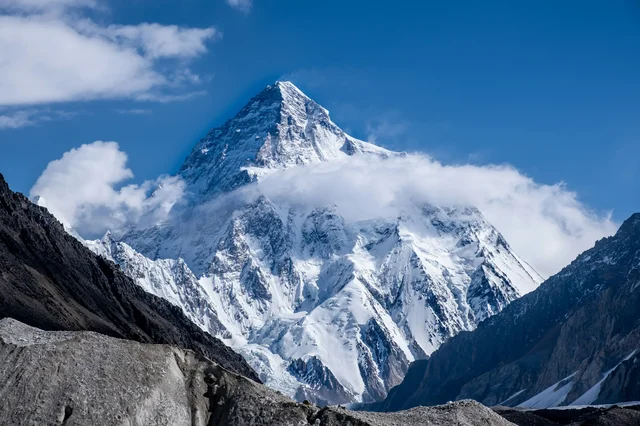
Hunza is the valley people come back to. Ringed by five peaks above 7,000 m — including Rakaposhi, Ultar Sar and Bublimotin — its terraced apricot orchards turn white in April, gold in autumn, and copper in October. Karimabad’s lanes wind past a 900-year-old fort with views straight up to the glaciers. The Wakhi and Burusho people here are among the warmest hosts in the Karakoram.
This 7-day tour moves at a relaxed pace — part cultural immersion, part light trekking. It suits families, couples and solo travellers equally. We weave in visits to the Altit and Baltit forts, a boat trip on Attabad Lake, the hanging village of Ganesh, and a full-day drive to the Khunjerab Pass (4,693 m) on the Chinese border.
Itinerary — day by day
Day1 Islamabad — fly or drive to Gilgit ▾
Morning flight to Gilgit (one hour over Nanga Parbat) or scenic KKH drive. Afternoon arrival in Karimabad, Hunza. Settle in and sunset on the fort terrace.
🏨 Hotel🍽 D📏 2,450m
Day2 Baltit Fort & Karimabad lanes ▾
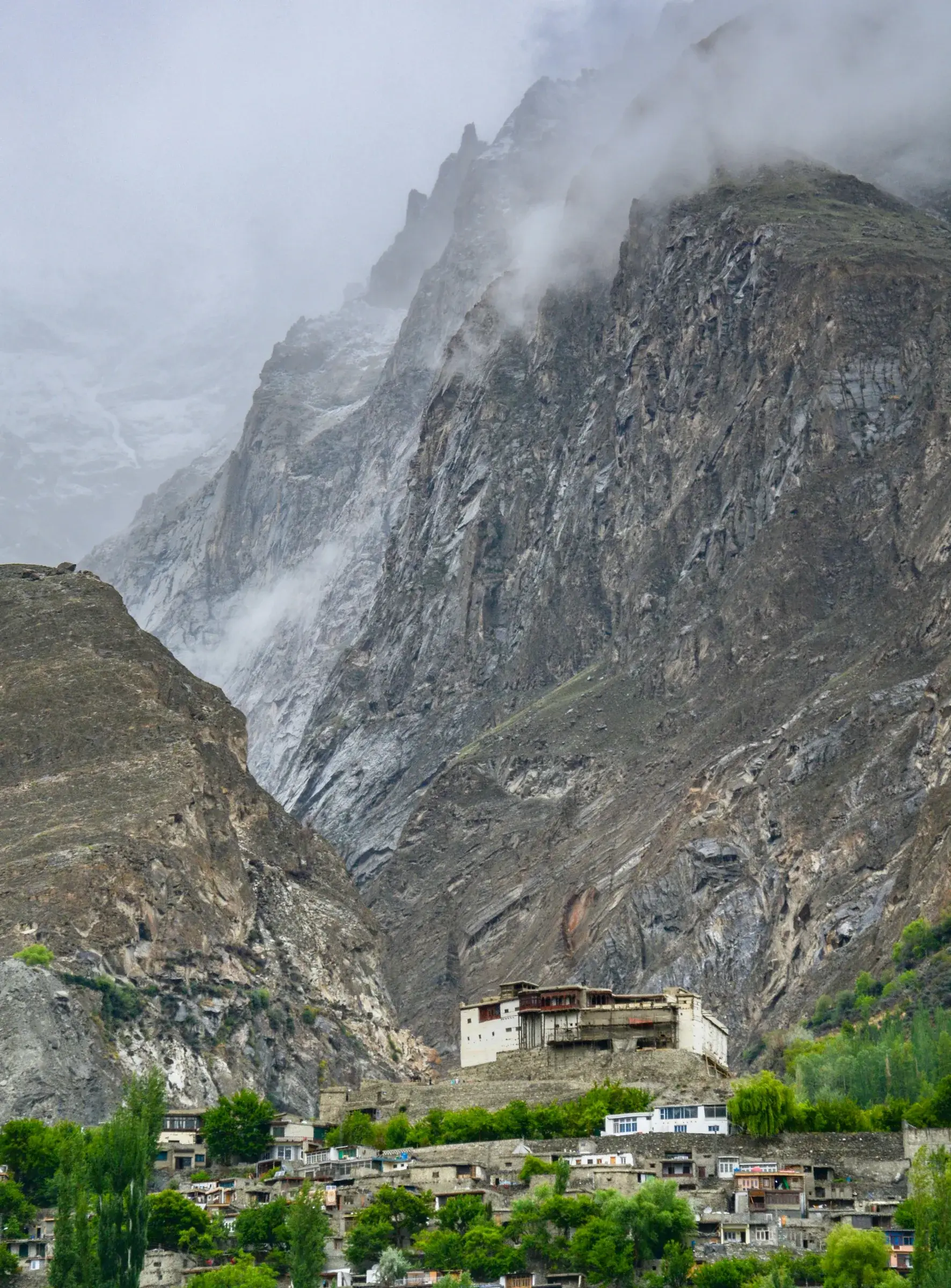
Morning guided tour of the 900-year-old Baltit Fort, then wander Karimabad’s terraced lanes and handicraft workshops. Afternoon visit to Altit Fort for unobstructed Rakaposhi views.
🏨 Hotel🍽 B·L·D
Day3 Attabad Lake & Gojal Valley drive ▾
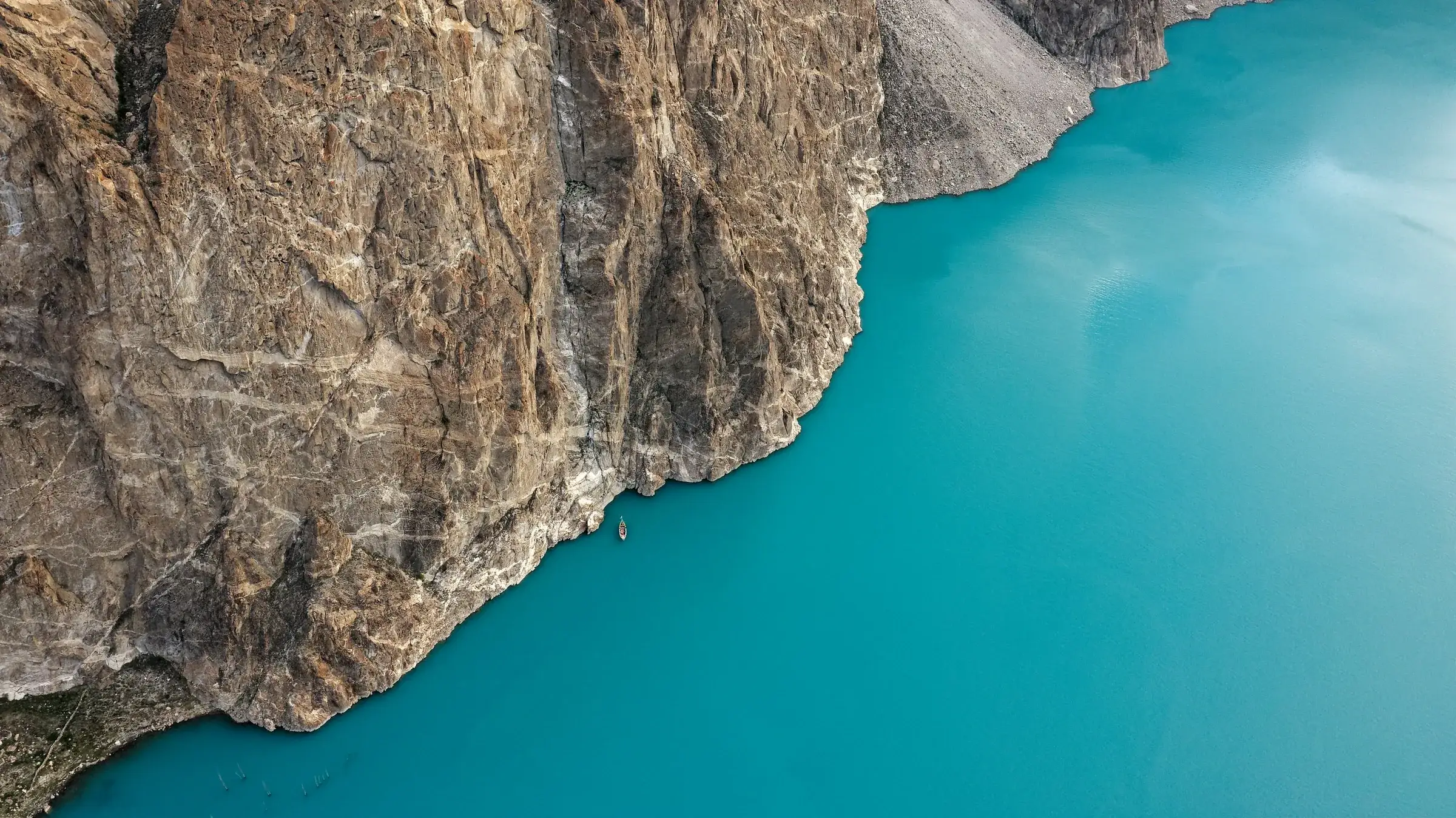
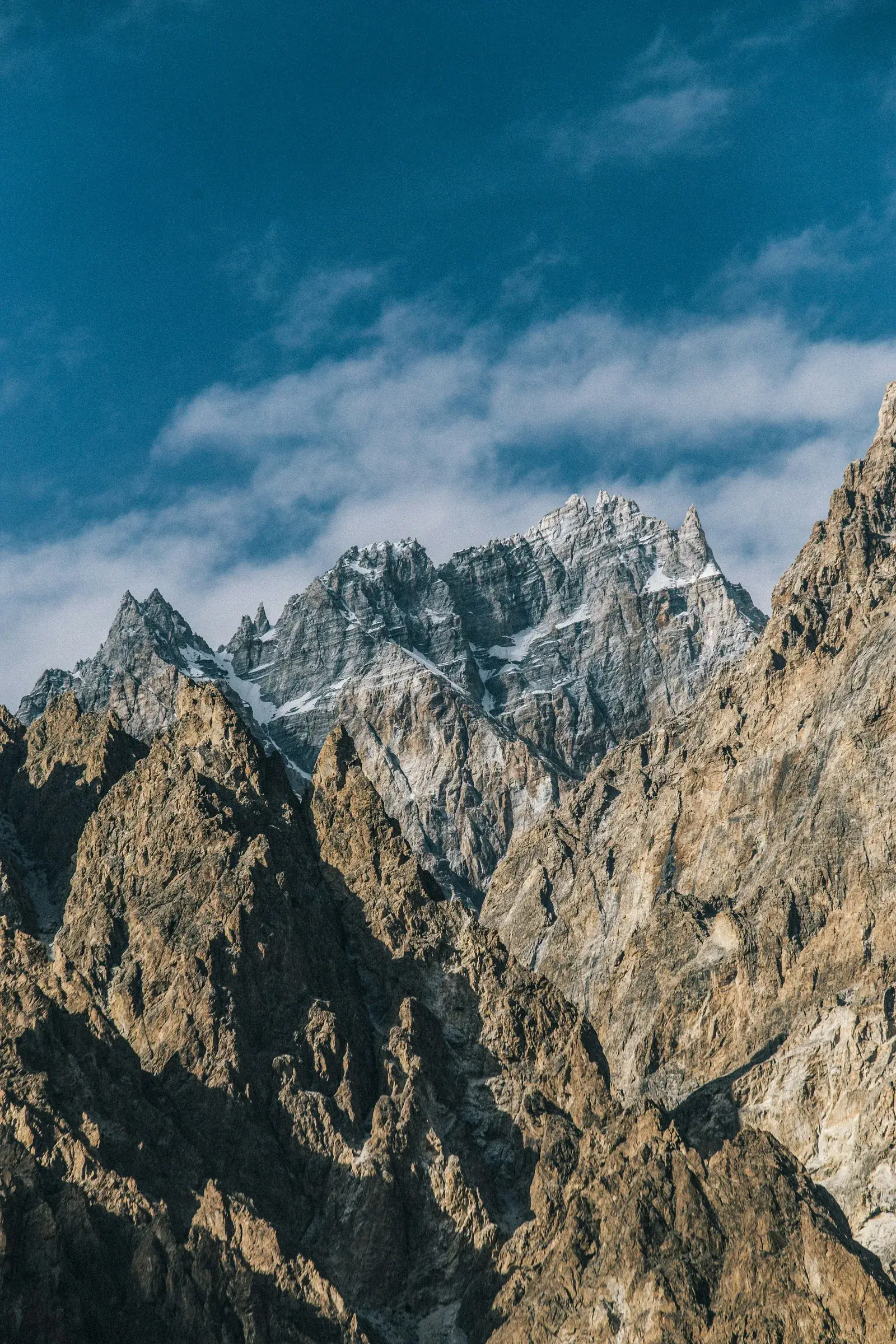
Drive along the turquoise lake formed by the 2010 landslide, through the Gojal road tunnels (an engineering marvel) to Gulmit and Passu. The Passu Cones — a row of jagged spires — are the most photographed sight in northern Pakistan.
🏨 Hotel🍽 B·L·D📏 2,800m
Day4 Khunjerab Pass (4,693 m) — top of the world ▾
Full-day drive to the Chinese border crossing, the world’s highest paved international pass. Marmots at the roadside, yak herds, and silence at altitude. Return to Passu or Karimabad.
🏨 Hotel🍽 B·D📏 4,693m
Day5 Ganesh village — eagle’s nest walk ▾
Morning walk to the ancient hanging village of Ganesh, one of the oldest settlements in the Karakoram. Afternoon hike to Eagle’s Nest viewpoint (3,100m) — 360° panorama of Rakaposhi, Ultar Sar and the Hunza River gorge.
🏨 Hotel🥾 3–4 hrs📏 3,100m
Day6 Karimabad free day — apricot farms & cooking class ▾
Visit Hunza apricot and walnut farms with our host guide Karim Baig. Optional cooking class (chapshuro flatbread, diram fitti). Evening farewell dinner with local music.
🏨 Hotel🍽 B·L·D
Day7 Gilgit — fly to Islamabad — depart ▾
Drive to Gilgit for morning flight (or KKH drive). Farewell lunch in Islamabad.
🍽 B·L
What’s included / not included
Included
- All ground transport (private vehicle, Karimabad–Gilgit–Khunjerab)
- Licensed English-speaking guide (Hunza native)
- 6 nights hotel in Hunza / Karimabad (twin share, B&B)
- Meals as indicated (B = breakfast, L = lunch, D = dinner)
- Baltit Fort & Altit Fort entry fees
- Attabad Lake boat trip
- Khunjerab Pass permit
- Airport transfers Islamabad
Not included
- International flights & Pakistan visa fee
- Domestic flights Islamabad–Gilgit (optional, ~$80 each way)
- Travel insurance (mandatory)
- Tips for driver and guide (≈ $50)
- Single-room supplement ($180)
- Lunches/dinners not listed in itinerary
Gallery
Traveller reviews
★★★★★
“Karim’s family dinner in Ganish was the highlight of our entire Pakistan trip. The apricots, the views, the warmth of every person we met — Hunza is something else.”
Elena VasquezApril 2025 · Spain
★★★★★
“Cherry blossom season in Hunza should be a world wonder. Baltit Fort with flowers in the foreground and Rakaposhi behind — we ran out of adjectives.”
Tom & Andrea FischerApril 2026 · Switzerland